Some mornings in the field are memorable because something spectacular happens. Others stay with you because of how quiet they felt.
This was one of those mornings.
The shoreline was calm, and the first signs of autumn were beginning to appear in the vegetation. I had gone out hoping to photograph shorebirds, but what interested me most was not simply finding them. It was watching how such small birds moved through a landscape that seemed enormous around them.
Small Birds, Big Landscapes
Semipalmated Plovers are easy to overlook.
They move quickly along the shoreline, stopping for only a moment before continuing on. Their colours blend naturally with the ground, and from a distance they can almost disappear into the environment.
One of the first birds I photographed that morning stood against a soft yellow background created by the autumn vegetation.
The simplicity of the scene immediately caught my attention. The bird was small, the background was clean, and the warm colours gave the image a completely different feeling from the cooler tones I usually find near the water.
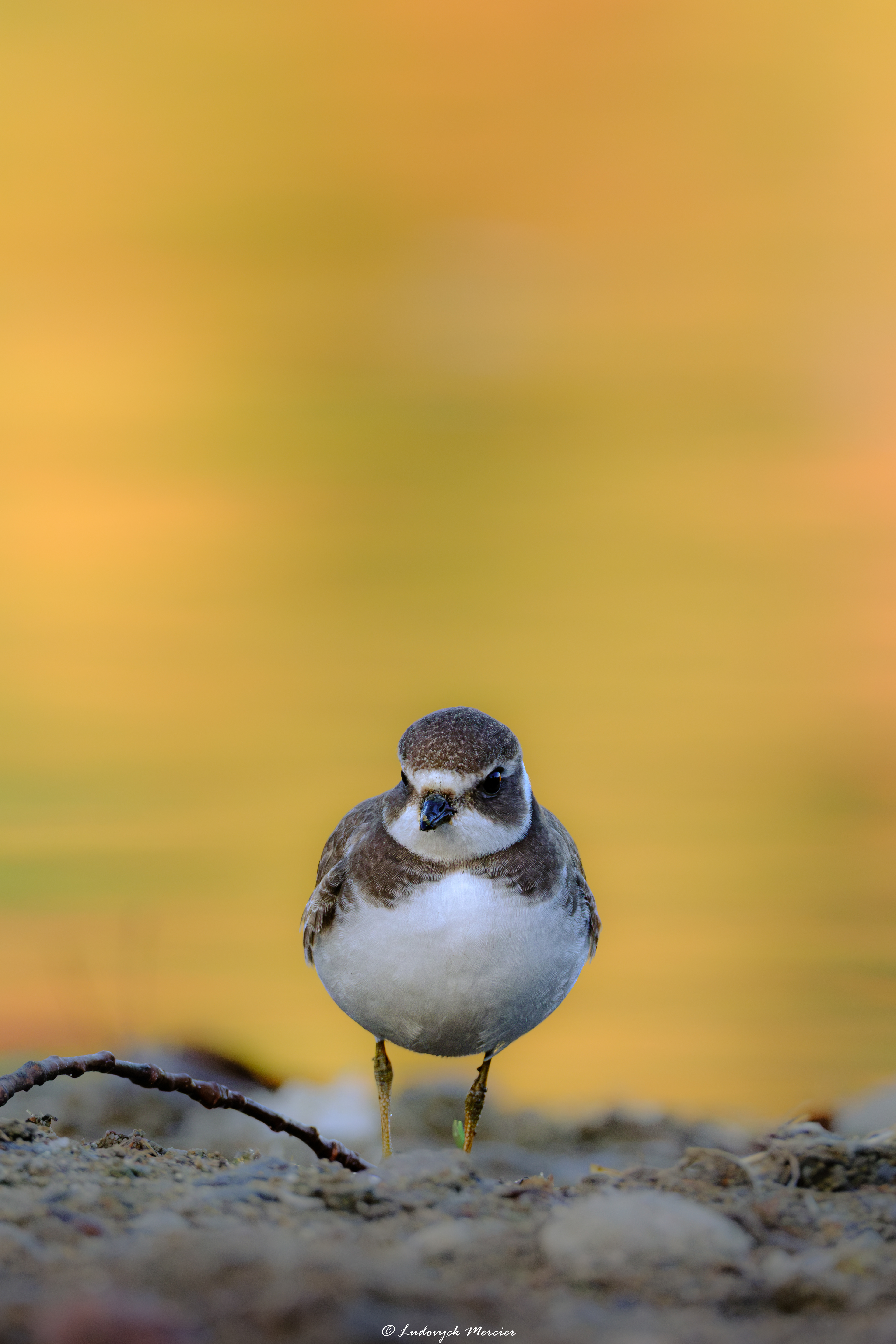
It was one of those situations where very little needed to happen. The bird simply had to remain still long enough for the light, background and posture to come together.
A Different Kind of Mood
Later, I found a Killdeer near the water.
The scene could not have been more different.
Instead of the bright autumn colours from earlier in the morning, the surroundings were darker and more subdued. The bird stood quietly against the shadowed background, and I found myself paying more attention to the atmosphere than to the behaviour of the bird itself.
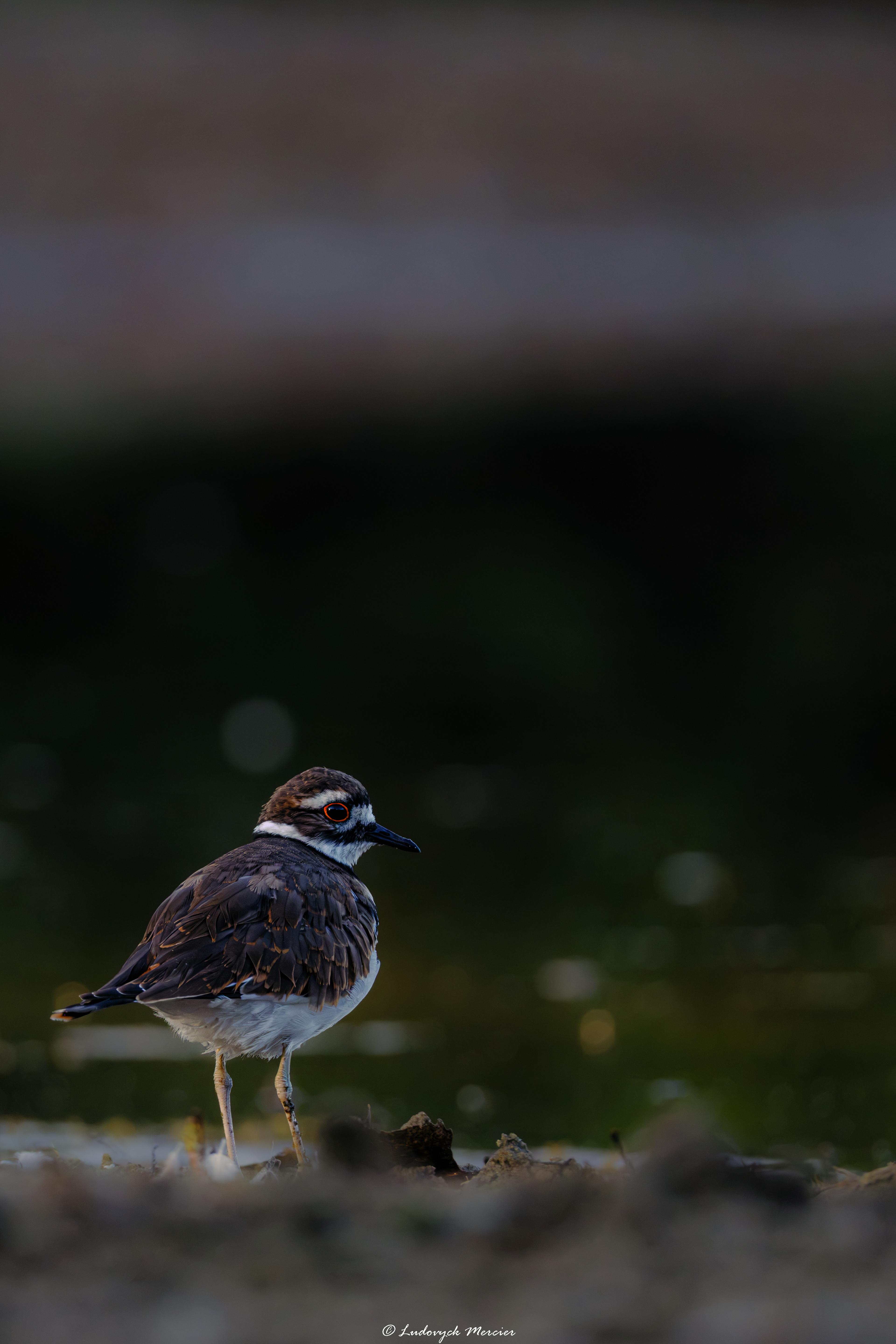
I often enjoy photographs where the animal does not completely dominate the frame.
Leaving space around the subject can give more importance to the environment and help preserve some of the feeling of actually being there.
In this case, the darker surroundings became an important part of the photograph rather than something I wanted to remove.
A Sense of Scale
One of my favourite observations from the morning came from an image that is technically less perfect than some of the others.
A Semipalmated Plover was standing beside a few thin blades of grass covered in small drops of water.
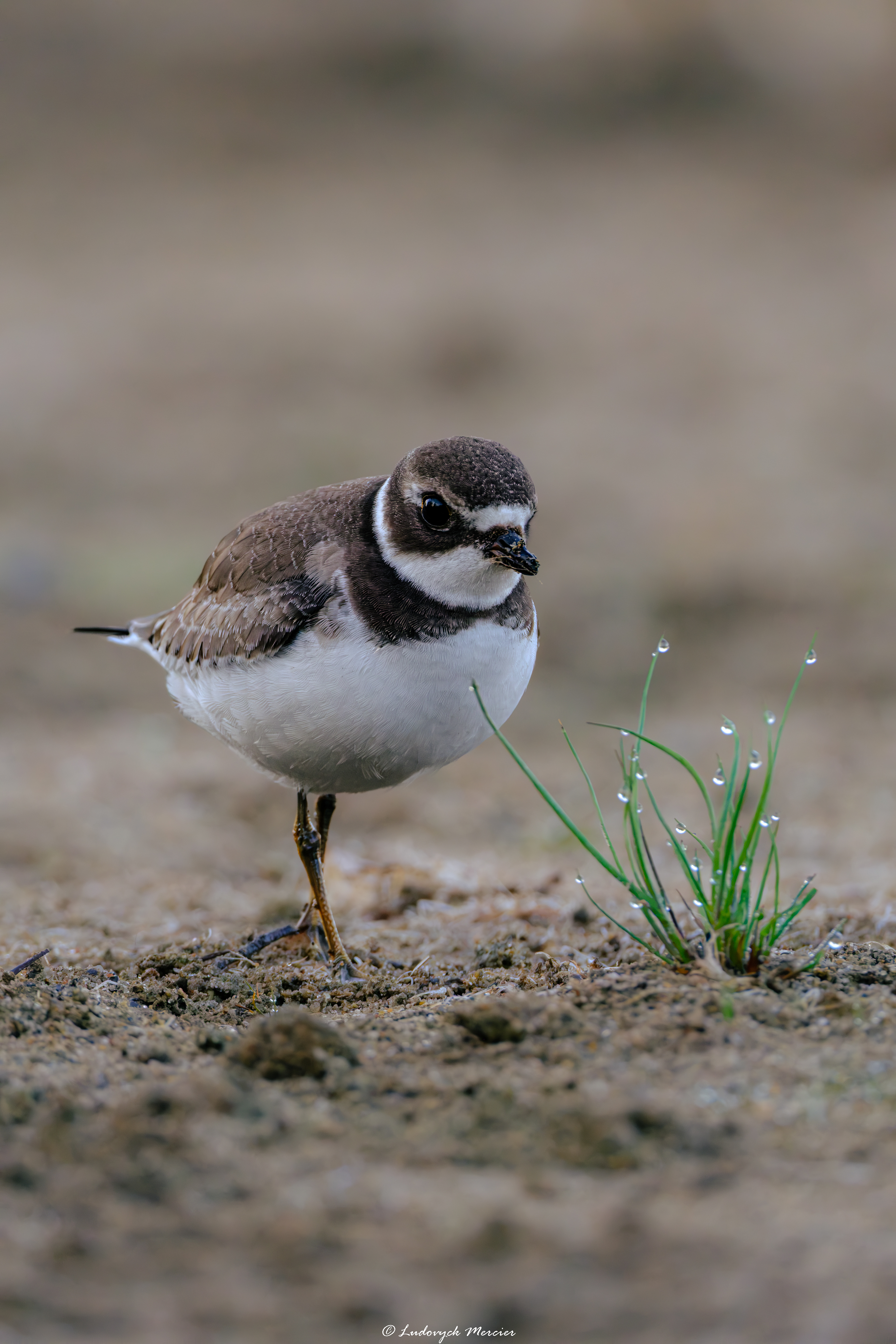
Those simple blades of grass gave the photograph something I had not expected: scale.
They made the bird appear even smaller and helped show just how delicate these shorebirds really are.
It reminded me that not every photograph needs to be about perfect light or perfect detail. Sometimes a small element in the frame can tell you something important about the subject.
When the Light Changes Everything
Toward the end of the session, the light became warmer.
Another Semipalmated Plover stood near the shoreline as the low light caught the side of its body.
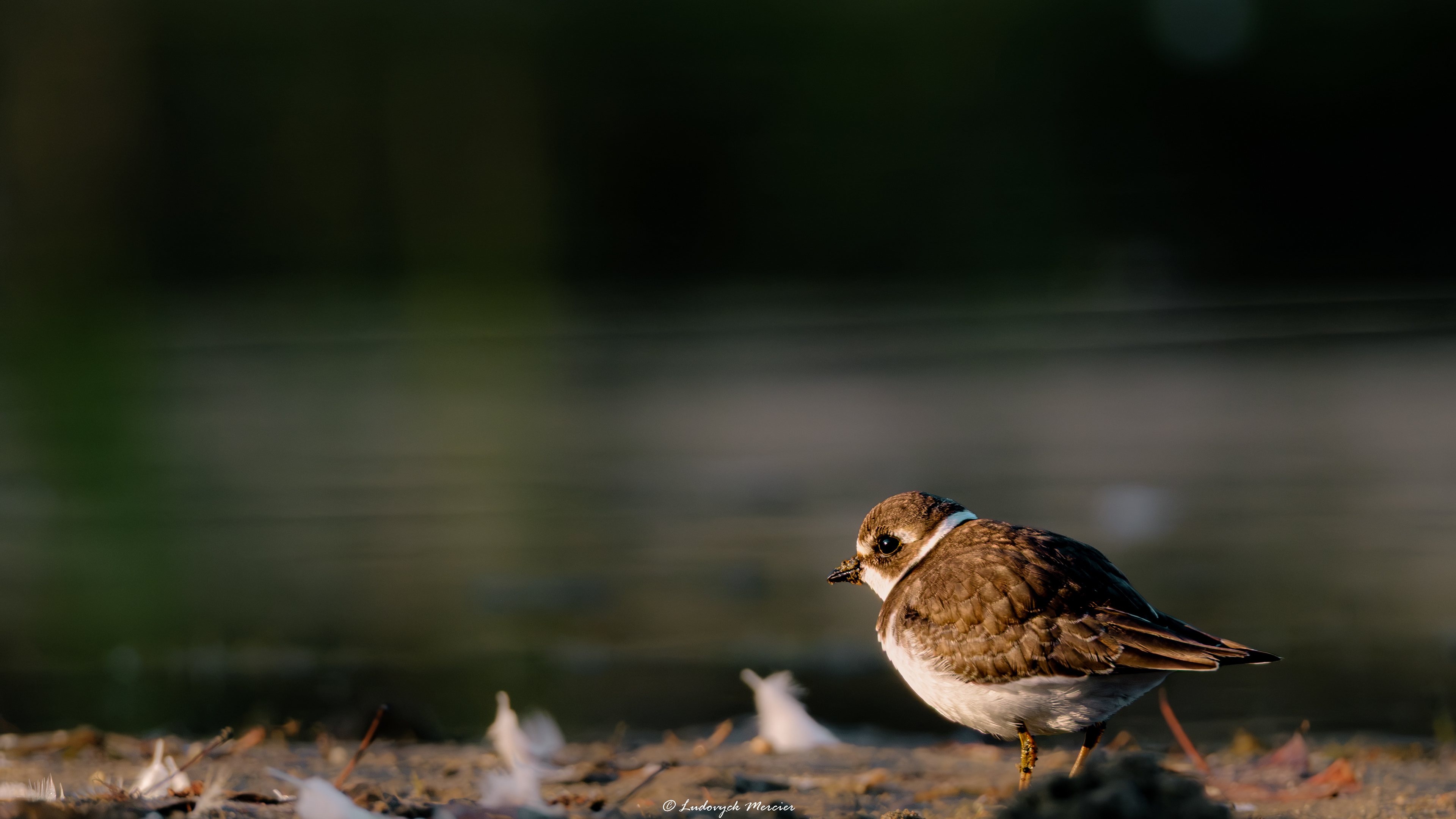
The scene itself was simple, but the light transformed it.
The warm tones against the darker background created a quiet contrast that made me stop and watch for a while before taking the photograph.
Moments like this are one of the reasons I enjoy wildlife photography so much.
You can return to the same place many times and photograph the same species, but the light, weather and behaviour are never exactly the same.
Quiet Moments
Nothing dramatic happened that morning.
There was no rare behaviour, no spectacular action and no extraordinary encounter.
Instead, there were a few small birds moving quietly along the shoreline, changing light, autumn colours and a little time to observe them.
And sometimes, that is more than enough.
For me, photography is often less about chasing a particular image and more about being present long enough to notice when everything briefly comes together.